
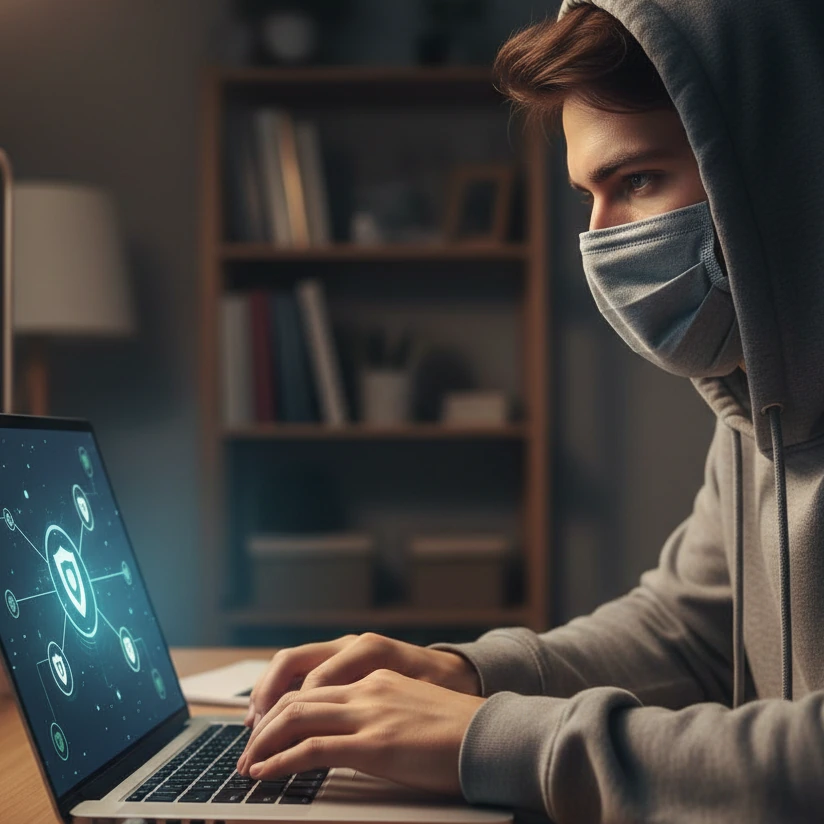
How to Add Yourself as a Performer on Clips4Sale: A Privacy-Focused Guide for Anonymous Creators
First, I need to write the HTML for the "introduction" section. The outline specifies: h2 id="introduction" with the text "Introduction: Why Performer Verification Matters". The goal is to explain the critical role of correctly setting up your performer profile for legal compliance, content discoverability, and maximizing earnings on platforms like Clips4Sale, OnlyFans, and Fansly. Constraints: - Minimum 400 words. - Use English only. - Include exactly one H2 with the id attribute:Introduction: Why Performer Verification Matters
- Optionally add H3/H4 subheadings if they improve clarity. - Use sparingly (max 10 uses in this section). - Make it detailed and practical: add examples, steps, do/don'ts, and explain the 'why'. - Use relevant SEO keywords naturally. - Do not encourage illegal activities; provide lawful alternatives. - Wrap everything in- ) when relevant.
- Examples must be real; no fictional tools.
From the context pack, SEO keywords include: "Clips4Sale performer setup", "add performer to adult clip", "2257 paperwork guide", "anonymous OnlyFans creator", "face blurring software", etc. I should incorporate these naturally.
Structure for this section:
- Start with the H2.
- Then, elaborate on why performer verification matters.
- Cover legal compliance (e.g., 2257 paperwork), discoverability (how tags and performer names help in search), and earnings (linked to visibility and trust).
- Provide examples of platforms where this applies: Clips4Sale, OnlyFans, Fansly, ManyVids, etc.
- Discuss anonymity: since the target audience wants to stay anonymous, mention how verification doesn't compromise anonymity if done correctly with privacy tools.
- Include practical advice or steps, even if introductory.
- Use subheadings if needed to break down points.
- Ensure word count is at least 400.
I'll draft the content step by step.
1. **Introduction H2**:
Introduction: Why Performer Verification Matters
2. **Content**: - Open with a hook: many creators struggle with setting up performer profiles, but it's crucial. - Explain the three pillars: legal compliance, discoverability, and earnings. - For legal compliance: mention 2257 paperwork and its importance on platforms like Clips4Sale. - For discoverability: how performer names act as searchable tags; users look for specific creators. - For earnings: verified performers build trust, can sell more, and avoid account issues. - Address anonymity: reassure that verification can be done while protecting privacy using tools. - Provide examples of platforms: list real ones like Clips4Sale, OnlyFans, Fansly, ManyVids, Patreon (if relevant), etc. - Mention tools for anonymity: e.g., Adobe Premiere Pro, DaVinci Resolve for blurring; avoid illegal methods. - Include do's and don'ts: do complete paperwork honestly, don't skip verification. - Use bullet lists for platforms or tools if appropriate. - Keep tone practical and supportive. 3. **Word count**: Aim for 400+ words. I'll write concisely but thoroughly. 4. **Subheadings**: I can add H3 or H4 to organize. For example: - H3: The Legal Foundation: 2257 Compliance - H3: Boosting Your Visibility and Sales - H3: Maintaining Anonymity During Verification But ensure only one H2, which is already specified. 5. **SEO keywords**: Integrate naturally, e.g., "Clips4Sale performer setup", "2257 paperwork", "anonymous creator", etc. 6. **Strong tags**: Use sparingly for emphasis, like legal compliance, discoverability, etc. Let me outline the HTML structure:Introduction: Why Performer Verification Matters
[Content here, with possible subheadings and lists]- Clips4Sale
- OnlyFans
- Fansly
- ManyVids
- AVN Stars
- Clips4Sale relies heavily on performer tags for its storefront categories.
- ManyVids uses performer profiles to drive traffic from its internal search engine.
- Fansly and OnlyFans allow fans to follow specific creator tags, boosting your reach in their algorithms.
- Adobe Premiere Pro for precise masking and blurring effects.
- DaVinci Resolve (free version available) for robust color grading and obscuring features.
- Final Cut Pro for Apple users seeking efficient tracking blur tools.
- Snap Camera for real-time face filters during recording.
- OBS Studio with blur plugins for live streaming anonymity.
- Do complete all 2257 paperwork accurately and submit it through the platform's official channels.
- Do use a consistent performer alias across all your videos and platforms to build brand recognition.
- Do invest time in learning basic video editing for privacy, using the tools mentioned above.
- Don't ignore verification prompts; address them immediately to avoid upload delays.
- Don't use misleading performer names that violate platform terms of service.
- Don't skip anonymization steps if privacy is a concern—your safety comes first.
- Clips4Sale
- OnlyFans
- Fansly
- ManyVids
- AVN Stars
- Clips4Sale relies heavily on performer tags for its storefront categories.
- ManyVids uses performer profiles to drive traffic from its internal search engine.
- Fansly and OnlyFans allow fans to follow specific creator tags, boosting your reach in their algorithms.
- Adobe Premiere Pro for precise masking and blurring effects.
- DaVinci Resolve (free version available) for robust color grading and obscuring features.
- Final Cut Pro for Apple users seeking efficient tracking blur tools.
- Snap Camera for real-time face filters during recording.
- OBS Studio with blur plugins for live streaming anonymity.
- Do complete all 2257 paperwork accurately and submit it through the platform's official channels.
- Do use a consistent performer alias across all your videos and platforms to build brand recognition.
- Do invest time in learning basic video editing for privacy, using the tools mentioned above.
- Don't ignore verification prompts; address them immediately to avoid upload delays.
- Don't use misleading performer names that violate platform terms of service.
- Don't skip anonym
Understanding Performer Verification on Adult Platforms
Performer verification is a mandatory process on adult content platforms that ensures all individuals depicted in explicit material are of legal age and have consented to their participation. It's not just a formality; it's a legal safeguard required by U.S. law, specifically under 18 U.S.C. § 2257. For creators, especially those seeking anonymity, grasping this process is essential to avoid account suspensions, legal issues, and to build a trustworthy, profitable business. Verification ties directly to your ability to tag yourself in clips, appear in searches, and monetize your content effectively.
The Legal Mandate: What is 2257 Documentation?
At the heart of performer verification lies 2257 documentation, a federal requirement under 18 U.S.C. § 2257. This law mandates that producers of sexually explicit material maintain records proving every performer is at least 18 years old at the time of production. These records typically include government-issued ID (like a driver's license or passport) and must be kept on file for potential inspection by the U.S. Department of Justice. Platforms such as Clips4Sale, ManyVids, and OnlyFans enforce this by requiring creators to submit these documents during account setup or before uploading content. Without approved 2257 paperwork, you cannot legally sell content on most U.S.-based platforms, and attempts to bypass it can lead to permanent bans or legal action.
Why Platforms Enforce Verification Rigorously
Adult content platforms are legally liable for the material they host. By implementing strict verification systems, they protect themselves from penalties and demonstrate due diligence. Additionally, verification fosters a safer ecosystem by reducing risks of underage or non-consensual content, which builds trust with subscribers. From a business perspective, verified creators are more likely to attract paying fans who value compliance and ethics. This is why verification is non-negotiable across major marketplaces, including:
- Clips4Sale: Requires 2257 approval before you can add yourself as a performer in clips.
- OnlyFans: Mandates identity verification during sign-up to host explicit content.
- Fansly: Similar to OnlyFans, with thorough checks to ensure age and consent.
- ManyVids: Uses a performer profile system linked to verified documentation.
- AVN Stars: Enforces age verification before allowing content sales.
- Patreon: For adult creators, requires age verification and 2257 compliance for explicit posts.
Each platform's process may vary, but the core legal obligation remains the same.
What the Verification Process Typically Involves
While specifics differ by platform, the general steps for performer verification are consistent:
Step-by-Step: Adding Yourself as a Performer on Clips4Sale - Optionally add H3/H4 subheadings. - Use sparingly (max 10 uses). - Make it detailed and practical: add examples, steps, do/don'ts, explain the 'why'. - Use relevant SEO keywords naturally. - Do not encourage illegal activities; provide lawful alternatives. - Wrap everything in... . SEO enrichment rules: - Recommend tools or platforms with real examples, using bullet lists when relevant. - Examples must be real. Also, at the VERY END of this section, include a MICRO-CTA with 20 to 50 words. It must have clickable links using HTML tags with EXACTLY these links: - WhatsApp: WhatsApp - Telegram: Telegram - Email: contact@anonymodels.com Tone: discreet, privacy-first, supportive. No hype, no long sales pitch. Structure the section: - Start with the H2. - Provide step-by-step instructions for adding yourself as a performer on Clips4Sale. - Include details on 2257 paperwork approval, navigating interfaces (old vs. new), and selecting your name. - Add practical tips, do's and don'ts. - Use subheadings like H3 for different steps or phases. - Ensure word count is at least 400. - End with the MICRO-CTA. SEO keywords from context pack: "Clips4Sale performer setup", "add performer to adult clip", "2257 paperwork guide", etc. Incorporate these naturally. Content outline: 1. Introduction to the process on Clips4Sale. 2. Step 1: Ensure 2257 paperwork is approved. 3. Step 2: Access the upload interface (old vs. new). 4. Step 3: Select your performer name from the dropdown. 5. Troubleshooting tips if name isn't showing. 6. Do's and don'ts. 7. MICRO-CTA at the end. Use bullet lists for steps or examples where appropriate. Now, write the HTML content. Start with the section tag and H2. Draft the content:Step-by-Step: Adding Yourself as a Performer on Clips4Sale
Adding yourself as a performer on Clips4Sale is a critical step to ensure your clips are legally compliant and easily discoverable by fans. If your performer name isn't appearing in the dropdown menu, it's likely because your 2257 documentation hasn't been fully processed or there's a glitch in the interface. Here's a detailed, practical guide to navigate this process smoothly.
Prerequisite: Complete Your 2257 Paperwork
Before you can even see your name in the performer list, Clips4Sale must have your 2257 records on file and approved. This involves submitting government-issued ID (like a driver's license or passport) through their verification system. If you haven't done this, or if it's pending, your name won't appear. To check your status, log into your Clips4Sale account and look for a verification section or contact their support team directly. Do not attempt to upload clips without this approval, as it can lead to content removal or account suspension.
Step 1: Navigate to the Clip Upload Page
Once logged in, go to the section for uploading new clips. Clips4Sale has two interfaces: the old legacy system and a newer updated version. The steps are similar, but the layout might differ. In both cases, you'll find fields for title, description, tags, and importantly, "Performers" or "Models".
Step 2: Locate the Performer Dropdown Menu
On the upload form, look for a dropdown menu labeled "Performers", "Models", or similar. This menu should list all performers associated with your account whose 2257 paperwork is approved. If your name is approved, it will appear here. If you don't see it, try refreshing the page or logging out and back in. Sometimes, cache issues can cause delays.
Step 3: Select Your Name from the List
Click on the dropdown menu and scroll to find your performer alias. Select it to associate yourself with the clip. If you're the only performer, ensure no other names are selected. This tags your content correctly, making it searchable under your name and compliant with legal requirements.
Handling Interface Differences: Old vs. New
Clips4Sale has been updating its platform, so you might encounter either interface. Here's how to identify and handle each:
- Old Interface: Often has a more basic design with a clear "Performers" dropdown. If your name isn't showing, check if you've completed verification in the account settings.
- New Interface: May have a sleeker look with similar functionality. The performer selection might be integrated into a multi-step process. Look for tabs or sections labeled "Details" or "Metadata".
If you're unsure, Clips4Sale's help center or support can guide you on which version you're using.
What to Do If Your Name Still Isn't Showing
If, after ensuring 2257 approval, your name doesn't appear, consider these troubleshooting steps:
- Contact Clips4Sale Support: This is the most reliable action. Explain that your performer name isn't in the dropdown despite having submitted paperwork. They can check your account status and resolve backend issues.
- Verify Submission Accuracy: Double-check that you submitted the correct documents and that they haven't expired or been rejected for blurriness.
- Allow for Processing Time: Approval can take several business days. Don't panic if it's been less than a week.
- Clear Browser Cache: Sometimes, outdated cache can prevent updates from reflecting. Clear your browser cache or try uploading from a different browser.
Do's and Don'ts for a Smooth Experience
To avoid common pitfalls, follow these guidelines:
- Do complete 2257 verification before uploading any clips. It's the foundation of your account.
- Do use a consistent performer alias across all platforms to build your brand.
- Do reach out to support politely if you encounter issues; they're there to help.
- Don't use fake or borrowed identities for verification; this is illegal and can lead to permanent bans.
- Don't ignore verification prompts; address them promptly to maintain account health.
- Don't skip performer tagging; it affects your clip's visibility and compliance.
Tools for Anonymity During Content Creation
Since many creators want to stay anonymous, here are real tools you can use to protect your identity while creating content for Clips4Sale or other platforms:
- Adobe Premiere Pro: For post-production blurring of faces or identifying marks.
- DaVinci Resolve: A free alternative with robust blur and mask features.
- Snap Camera: Useful for real-time face filters during recording.
- OBS Studio: With plugins, it can blur live streams or recordings.
- Final Cut Pro: For Mac users, offers tracking blur tools.
These tools help you maintain privacy without violating platform rules or laws.
Need discreet help with anonymity or growth? Reach out via WhatsApp, Telegram, or email for personalized support.
Step-by-Step: Adding Yourself as a Performer on Clips4Sale
Adding yourself as a performer on Clips4Sale is a critical step to ensure your clips are legally compliant and easily discoverable by fans. If your performer name isn't appearing in the dropdown menu, it's likely because your 2257 documentation hasn't been fully processed or there's a glitch in the interface. Here's a detailed, practical guide to navigate this process smoothly.
Prerequisite: Complete Your 2257 Paperwork
Before you can even see your name in the performer list, Clips4Sale must have your 2257 records on file and approved. This involves submitting government-issued ID (like a driver's license or passport) through their verification system. If you haven't done this, or if it's pending, your name won't appear. To check your status, log into your Clips4Sale account and look for a verification section or contact their support team directly. Do not attempt to upload clips without this approval, as it can lead to content removal or account suspension.
Step 1: Navigate to the Clip Upload Page
Once logged in, go to the section for uploading new clips. Clips4Sale has two interfaces: the old legacy system and a newer updated version. The steps are similar, but the layout might differ. In both cases, you'll find fields for title, description, tags, and importantly, "Performers" or "Models".
Step 2: Locate the Performer Dropdown Menu
On the upload form, look for a dropdown menu labeled "Performers", "Models", or similar. This menu should list all performers associated with your account whose 2257 paperwork is approved. If your name is approved, it will appear here. If you don't see it, try refreshing the page or logging out and back in. Sometimes, cache issues can cause delays.
Step 3: Select Your Name from the List
Click on the dropdown menu and scroll to find your performer alias. Select it to associate yourself with the clip. If you're the only performer, ensure no other names are selected. This tags your content correctly, making it searchable under your name and compliant with legal requirements.
Handling Interface Differences: Old vs. New
Clips4Sale has been updating its platform, so you might encounter either interface. Here's how to identify and handle each:
- Old Interface: Often has a more basic design with a clear "Performers" dropdown. If your name isn't showing, check if you've completed verification in the account settings.
- New Interface: May have a sleeker look with similar functionality. The performer selection might be integrated into a multi-step process. Look for tabs or sections labeled "Details" or "Metadata".
If you're unsure, Clips4Sale's help center or support can guide you on which version you're using.
What to Do If Your Name Still Isn't Showing
If, after ensuring 2257 approval, your name doesn't appear, consider these troubleshooting steps:
- Contact Clips4Sale Support: This is the most reliable action. Explain that your performer name isn't in the dropdown despite having submitted paperwork. They can check your account status and resolve backend issues.
- Verify Submission Accuracy: Double-check that you submitted the correct documents and that they haven't expired or been rejected for blurriness.
- Allow for Processing Time: Approval can take several business days. Don't panic if it's been less than a week.
- Clear Browser Cache: Sometimes, outdated cache can prevent updates from reflecting. Clear your browser cache or try uploading from a different browser.
Do's and Don'ts for a Smooth Experience
To avoid common pitfalls, follow these guidelines:
- Do complete 2257 verification before uploading any clips. It's the foundation of your account.
- Do use a consistent performer alias across all platforms to build your brand.
- Do reach out to support politely if you encounter issues; they're there to help.
- Don't use fake or borrowed identities for verification; this is illegal and can lead to permanent bans.
- Don't ignore verification prompts; address them promptly to maintain account health.
- Don't skip performer tagging; it affects your clip's visibility and compliance.
Tools for Anonymity During Content Creation
Since many creators want to stay anonymous, here are real tools you can use to protect your identity while creating content for Clips4Sale or other platforms:
- Adobe Premiere Pro: For post-production blurring of faces or identifying marks.
- DaVinci Resolve: A free alternative with robust blur and mask features.
- Snap Camera: Useful for real-time face filters during recording.
- OBS Studio: With plugins, it can blur live streams or recordings.
Troubleshooting: Why Your Performer Name Isn't Showing Up
Encountering a missing performer name in Clips4Sale's dropdown menu is a frequent issue that can halt your uploads and impact your earnings. This problem typically stems from verification delays, technical hiccups, or simple oversights. By systematically troubleshooting, you can resolve it quickly and ensure your content is properly tagged for legal compliance and optimal discoverability. Let's break down the common causes and their practical solutions.
Identify the Root Cause: Common Issues Explained
Your performer name may not appear due to several key reasons. Understanding these will help you target the right fix:
- Pending 2257 Approval: The most common cause. Your age verification documents are still under review by Clips4Sale's support team, which can take 3-7 business days.
- Incomplete Account Setup: You may have missed a step in the initial verification process, such as failing to submit all required ID documents.
- Browser or Cache Problems: Outdated browser data can prevent the interface from loading the updated performer list correctly.
- Platform Interface Glitch: Temporary bugs in Clips4Sale's system (either the old or new interface) can disrupt dropdown menu functionality.
- Incorrect Performer Profile Creation: Your performer alias might not be properly linked to your verified account in the backend.
Step-by-Step Troubleshooting Actions
Follow this ordered checklist to diagnose and solve the problem efficiently.
1. Verify Your 2257 Documentation Status
Log into your Clips4Sale account and navigate to the account settings or verification section. Look for any alerts regarding your 2257 paperwork. If status is "Pending" or "Under Review," you must wait for completion. If it's been over a week, proceed to contact support. Never upload content while verification is pending, as it violates platform policy and U.S. law.
2. Clear Your Browser Cache and Cookies
Technical glitches often resolve with a cache clear. For Chrome, Firefox, or Safari, access browser settings to clear browsing data, including cookies and cached images. After clearing, restart the browser, log back into Clips4Sale, and check the performer dropdown again. This simple step fixes many interface issues.
3. Test on a Different Browser or Device
Sometimes, the problem is browser-specific. Try accessing Clips4Sale from an alternative browser (e.g., switch from Chrome to Firefox) or a different device. If your name appears elsewhere, the issue is likely with your original browser setup.
4. Confirm You're Using the Correct Interface
Clips4Sale has two interfaces. Ensure you know which one you're on:
- Old Interface: Often has a straightforward "Performers" dropdown on the main upload page.
- New Interface: May house performer selection under a "Details" tab or within advanced metadata fields.
5. Contact Clips4Sale Support Directly
If all else fails, reach out to Clips4Sale's customer support. Provide your account username, the date of your 2257 submission, and a clear description: "My performer name [insert alias] does not appear in the dropdown when uploading clips, despite submitting verification." Support can check backend approval status, reset your performer list, or identify account errors.
Do's and Don'ts to Prevent Future Issues
Adopt these best practices to minimize troubleshooting needs:
- Do submit 2257 documents early, well before your first planned upload, to account for processing time.
- Do use a consistent and unique performer alias across all platforms like OnlyFans, Fansly, and ManyVids for easier management.
- Do bookmark Clips4Sale's help pages for quick reference on interface changes.
- Don't ignore verification emails or prompts; respond promptly to any requests for additional information.
- Don't use VPNs or proxy servers during verification, as they can trigger security flags and delay approval.
- Don't attempt to bypass verification by using another creator's identity; this is illegal and will result in a permanent ban.
Maintaining Privacy While You Troubleshoot
While resolving verification issues, you can still prepare content using privacy-focused tools. To anonymize your videos for platforms like Clips4Sale, consider these real software options:
- Adobe Premiere Pro: Use its "Masking" and "Gaussian Blur" effects to obscure faces or tattoos frame-by-frame.
- DaVinci Resolve: The free version offers powerful "Blur" nodes and tracking for dynamic anonymization.
- Snap Camera: Apply real-time face filters during recording to conceal your identity without post-editing.
- OBS Studio: Utilize plugins like "Background Removal" or "Blur" filters for live streaming anonymity.
- Final Cut Pro: Its "Shape Mask" and "Tracking" features are excellent for Mac users needing precise blurring.
These tools provide lawful alternatives to protect your identity, ensuring you stay compliant while safeguarding your privacy.
By methodically working through these troubleshooting steps, you'll likely identify and fix the issue, allowing you to add yourself as a performer and continue growing your anonymous creator business without unnecessary delays.
Protecting Your Privacy: Performing Anonymously on Adult Platforms
For many women entering the adult content industry, maintaining anonymity is not a preference—it's a necessity for personal safety, professional security, and peace of mind. The good news is that you can build a profitable, compliant creator business without ever revealing your true identity. This requires a strategic, multi-layered approach that combines platform verification, careful content creation, and savvy use of technology. By implementing the right practices, you protect yourself from potential doxxing, harassment, or unwanted personal exposure, all while growing your subscriber base and revenue.
The Core Principle: Separating Your Legal and Performer Identities
The foundation of anonymous creation lies in a clear separation between your legal identity (used for platform verification and taxes) and your public performer persona. Platforms like Clips4Sale, OnlyFans, and Fansly require your real name and ID for 2257 compliance, but this information is kept confidential and never shown to subscribers. Your public-facing identity is your chosen performer alias, which should be unique, memorable, and completely disconnected from your personal social media, email, or real-world contacts. This separation allows you to verify legally while performing anonymously.
Strategic Content Creation: What to Conceal and How
Effective anonymity extends beyond your face. You must meticulously remove or obscure all identifying marks and contextual clues that could reveal your location, workplace, or personal life. This includes:
- Your face and distinctive profile: The most critical element to obscure.
- Unique tattoos, birthmarks, or scars: Even if you show your body, these can be identifying.
- Background details: Remove any recognizable furniture, artwork, room layouts, or views from windows.
- Voice and speech patterns: Consider altering your voice pitch or using background music to mask it.
- Reflections: Check for mirrors, glasses, or shiny surfaces that might inadvertently show your face or camera.
Adopt a "clean room" approach for filming: use a neutral backdrop, wear generic clothing or wigs, and remove all personal items from the shot.
Toolkit for Anonymity: Real Software for Pre- and Post-Production
Investing in reliable editing software is non-negotiable for professional anonymization. Here are industry-standard tools used by creators:
- Adobe Premiere Pro: The industry standard. Use the "Masking" and "Track Mask" features to apply a persistent blur or pixelation that follows your face or a tattoo throughout the clip.
- DaVinci Resolve: A powerful free alternative. Its "Fusion" page offers advanced node-based blurring and object removal capabilities.
- Final Cut Pro: For Mac users, the "Shape Mask" with keyframing and "Tracking" allows for precise, automated blurring of moving subjects.
- For Real-Time Anonymity (Live Streaming/Recording):
- Snap Camera: Applies fun, but effective, face-obscuring filters directly to your webcam feed for platforms like Zoom or OBS.
- OBS Studio: Use the "Source Mirror" filter or dedicated blur plugins to obscure portions of your live feed before it reaches platforms like Chaturbate or Twitch.
- For Photos: Tools like Adobe Photoshop (for detailed healing and blurring) or free apps like GIMP are essential for editing still images.
A Practical Step-by-Step Guide to Face Blurring a Video
Here’s a basic workflow using DaVinci Resolve (free) to blur your face in a pre-recorded clip:
- Import and Timeline: Import your video clip and place it on the timeline in the "Edit" page.
- Open the Color Page: Navigate to the "Color" page. Right-click on the clip node and choose "Add Alpha Output."
- Create a Power Window: In the "Color" page, add a "Circle" or "Polygon" Power Window and position it over your face.
- Track the Motion: Click the "Track Forward" or "Track Backward" button. DaVinci Resolve will analyze and automatically move the window to follow your face.
- Apply the Blur: Go to the "OpenFX" panel, search for "Gaussian Blur," and drag it onto the node. Adjust the blur amount until your face is fully obscured.
- Review and Export: Play back the clip to ensure the blur tracks accurately throughout. Then, export your anonymized video for upload.
Do's and Don'ts of Digital Privacy for Creators
Beyond content, your digital footprint must be guarded.
- Do use a dedicated email and phone number for your creator accounts, separate from your personal ones.
- Do enable two-factor authentication (2FA) on all your platform and email accounts.
- Do watermark your content with your performer alias to deter unauthorized sharing, but never attempt to remove others' watermarks from shared content.
- Don't use location services or geotags on any device or social media account linked to your performer persona.
- Don't reveal specific personal details in chats or content, even seemingly harmless ones like your timezone, local sports team, or brand of coffee.
- Don't use the same passwords across different platforms; use a password manager like Bitwarden or 1Password.
Need a trusted partner to navigate anonymity and growth? For discreet, personalized advice on face blurring, branding, and marketing, reach out via WhatsApp, Telegram, or email.
FAQ: Performer Setup, Privacy, and Growth for Anonymous Creators
How can I stay completely anonymous while verifying my identity on platforms like OnlyFans?
Staying anonymous during verification is entirely possible and is a standard practice for countless creators. The key is understanding that verification is a confidential, backend process. Platforms such as OnlyFans, Fansly, and Clips4Sale require your legal name and government-issued ID (like a driver's license or passport) to comply with 2257 regulations and age verification laws. However, this sensitive information is never displayed to your subscribers or the public. Only your chosen performer alias is visible on your profile and content. To further protect yourself, use a dedicated email address and phone number created solely for your creator business. When submitting your ID, you can often use photo editing tools to add a discreet watermark (like "For [Platform Name] Verification") across the image to prevent misuse, though never alter the ID details themselves. After verification, your content creation must protect your anonymity. This involves using real software like Adobe Premiere Pro or DaVinci Resolve to blur your face, remove identifying tattoos, and obscure unique backgrounds. For live streams, tools like OBS Studio with blur filters or Snap Camera with face-altering filters are essential. Remember, your legal identity and performer identity are two separate spheres; the platform acts as the secure bridge between them, and your diligent editing maintains the wall for your audience.
What are the best platforms for anonymous adult content creators?
Choosing the right platform is crucial for balancing anonymity, control, and revenue potential. The "best" platform depends on your content style and business goals. Here’s a breakdown of real, popular options:
- OnlyFans: Excellent for building a recurring subscription base and fostering direct fan relationships through pay-per-view (PPV) messages and tips. Its robust verification system is secure, and you can post a wide variety of content behind a paywall. Marketing, however, is primarily your responsibility and must be done externally (e.g., on Twitter, Reddit).
- Fansly: Similar to OnlyFans but often praised for better discoverability features like internal hashtags and a more creator-friendly approach to chargebacks. It also allows tiered subscriptions and free previews, which can help attract subscribers.
- ManyVids: A powerhouse for à la carte sales. It functions as a video marketplace where fans browse and buy individual clips, customs, and photosets. Its internal search and categories provide organic traffic, which is a huge advantage for anonymous creators who don't want to heavily market on social media.
- Clips4Sale: A specialized storefront for niche fetish content. It has a massive, dedicated customer base that searches by specific kinks. If your content fits a clear niche (e.g., feet, ASMR, specific scenarios), it can generate consistent sales with minimal active promotion.
- LoyalFans: Gaining popularity as an alternative, it offers subscription, tipping, and live streaming features with competitive payout rates.
A smart strategy is to diversify. Use ManyVids or Clips4Sale for passive, search-driven sales and funnel your biggest fans to your OnlyFans or Fansly for a more personalized, subscription-based experience.
How much money can I realistically make as an anonymous creator?
Earnings vary dramatically and are influenced by consistency, niche, marketing effort, and platform choice. It's essential to set realistic expectations: building a profitable business takes time and strategic work. Many anonymous creators earn a few hundred dollars in their first months, while top earners can make five or six figures monthly. Your income typically comes from multiple streams: monthly subscriptions (e.g., $10-20/month on OnlyFans), pay-per-view content sales ($5-50 per clip), tips from fans, revenue from live streams, and earnings from custom video requests. On marketplace sites like ManyVids, a well-tagged clip in a popular niche can sell hundreds of copies over time, providing passive income. The key to increasing earnings is treating it like a business. This means setting a consistent upload schedule (e.g., 3-5 times per week), engaging personally with paying fans (while guarding personal details), and learning basic SEO to title and tag your content effectively. Investing in good lighting, a decent camera, and reliable editing software like DaVinci Resolve for blurring will improve content quality, justifying higher prices. Most importantly, protect your anonymity fiercely, as a leak can undermine fan trust and your personal safety, directly impacting your revenue.
What exactly is 2257 paperwork, and how do I complete it?
2257 paperwork refers to the record-keeping requirements mandated by United States federal law, specifically 18 U.S.C. § 2257. This law requires producers of sexually explicit material to maintain documented proof that every performer depicted was at least 18 years of age at the time of production. For you as a creator, this means you must provide a copy of a government-issued photo ID (such as a passport or driver's license) to any platform that hosts your explicit content. The platform will keep this record on file. The process is usually straightforward during account sign-up. You'll be prompted to submit a clear, legible photo of your ID. Sometimes, you may also need to hold the ID next to your face in a second photo for live verification. It’s critical that the details on your ID match the legal name you use to set up your payout method (e.g., your bank account or Paxum). This process is confidential. While it might feel vulnerable to share your ID, reputable platforms use encrypted, secure systems and have a legal obligation to protect these records. Never attempt to bypass this requirement using fake or borrowed IDs, as this is a serious federal offense and will result in permanent banning from all major platforms and potential legal action.
How can I market my anonymous content without revealing my identity?
Marketing anonymously requires a focus on your brand, niche, and the content itself, rather than a personal identity. Start by creating dedicated social media profiles on platforms like Twitter (X), Reddit, and Instagram solely for your performer persona. Use a consistent username and avatar (a logo, a blurred body shot, or an aesthetic image) across all platforms. On Twitter, engage in relevant communities using hashtags related to your niche (e.g., #FootFetish, #ASMR, #GothGirl). Share teaser clips, photos (with faces/identifying marks blurred), and witty captions. On Reddit, find subreddits aligned with your content (e.g., r/onlyfans, r/fetish, specific niche subreddits) and become an active, valuable member by posting previews and engaging in comments—always following each subreddit's self-promotion rules. Content marketing is powerful: create a free teaser trailer for your ManyVids store or post short, engaging clips on platforms like RedGIFs. Consider collaborating with other anonymous creators for shoutouts or content bundles to cross-pollinate audiences. The core principle is to sell the fantasy and the quality of your content, not a personal backstory. Use tools like Canva to create eye-catching graphics and Linktree to host all your links in one bio. Never use location tags, and always double-check that backgrounds in promotional material are generic and non-identifiable.
What are the most effective tools for face blurring and removing identifying marks?
Using professional-grade tools is non-negotiable for reliable, high-quality anonymization. For pre-recorded video editing, your best options are dedicated editing suites. Adobe Premiere Pro is the industry standard; its "Masking" and "Track Mask" features allow you to draw a shape around your face or a tattoo and have the software automatically track its movement frame-by-frame, to which you can then apply a Gaussian Blur or Mosaic effect. DaVinci Resolve offers a completely free version with equally powerful masking and tracking tools on its "Color" and "Fusion" pages, making it an excellent choice for beginners. For Mac users, Final Cut Pro provides intuitive shape masking with tracking. For real-time anonymization during recording or live streaming, OBS Studio (Open Broadcaster Software) is essential. You can apply filters like "Color Key" (for a solid color block) or "Blur" directly to your video source before it's broadcast to platforms like Chaturbate or Twitch. Snap Camera is a simpler, user-friendly option that applies fun face filters to your webcam feed, which can be selected as a video source in OBS or other streaming apps. For photo editing, Adobe Photoshop provides precise control, but free alternatives like GIMP (GNU Image Manipulation Program) can also be used for blurring and healing brush work to remove marks. The key is to practice with these tools to ensure the blur is consistent and never accidentally slips during your video.
What should I do if my content is leaked or shared without permission?
Discovering your content has been leaked is distressing, but a calm, systematic response is vital. First, document everything. Take screenshots or screen recordings of the leak, noting the URLs and usernames involved. Do not engage directly with the leaker, as this can escalate the situation. Your primary legal tool is the Digital Millennium Copyright Act (DMCA). Most websites, including popular forums and file-sharing sites, have a DMCA takedown process. You can file a takedown notice by submitting a formal request to the website's designated agent, stating that your copyrighted material is being hosted without permission. Many creators use DMCA protection services like Branditscan or Rulta, which automate the process of searching for leaks and issuing takedowns for a monthly fee. To prevent future leaks, proactively watermark all your content with your performer alias or a specific fan's username. This doesn't stop sharing but makes it easier to trace the source. Furthermore, avoid sending highly sensitive content via platforms with easy download capabilities; instead, use the secure messaging systems within your chosen adult platform. Remember, while leaks are a violation, pursuing legal action against individual fans is often impractical. Focus on DMCA takedowns, strengthening your security, and building a loyal, respectful fanbase that values your work and anonymity.
Ready to Scale Your Anonymous Creator Business?
You've now navigated the critical path from a confusing dropdown menu to a comprehensive understanding of the systems that empower your success. We've dissected the non-negotiable legal foundation of 2257 verification, provided a crystal-clear walkthrough for platforms like Clips4Sale, and equipped you with advanced troubleshooting strategies for when things don't go as planned. Most importantly, we've built a robust toolkit for impenetrable anonymity, ensuring your personal identity remains securely separated from your powerful performer brand. This knowledge transforms you from someone asking "why isn't my name showing up?" into a strategic business operator who understands that proper performer setup is the keystone for legal safety, content discoverability, and sustainable revenue growth on platforms like OnlyFans, Fansly, and ManyVids.
Your Journey from Setup to Strategic Growth
The initial hurdle of verification is just the first gate. Beyond it lies the real opportunity: building a loyal, paying audience that seeks out your specific content. Remember, correctly tagging yourself as a performer isn't bureaucratic red tape—it's the mechanism that makes your clips searchable, allows fans to follow your work across categories, and builds the recognizable brand that subscribers trust. This foundational step, combined with the privacy techniques you've learned, creates a secure launchpad. You are now positioned to leverage the unique strengths of different platforms, using marketplaces like Clips4Sale for passive, niche-driven sales and community hubs like OnlyFans for recurring subscription revenue and deep fan connections.
Integrating Anonymity into Your Business Workflow
Protecting your privacy must become a seamless, non-negotiable part of your content creation pipeline, not an afterthought. This means establishing a repeatable process using the professional tools we've discussed:
- Adobe Premiere Pro or DaVinci Resolve for batch processing and precise blurring of pre-recorded videos.
- OBS Studio with configured blur filters for safe, real-time streaming.
- Dedicated email managers and password vaults (like 1Password or Bitwarden) to compartmentalize your digital footprint.
The Clear Path Forward: From Solopreneur to Supported Success
Mastering these fundamentals is how you transition from a creator who is reactive—constantly troubleshooting and worried about privacy slips—to one who is proactive and strategically scaling. The next level involves optimizing the very areas we've covered: refining your anonymization techniques for efficiency, deploying advanced marketing tactics to attract high-value subscribers, and analyzing your platform data to double down on what works. This phase of growth often benefits immensely from an external, expert perspective. Having a dedicated partner who understands the intricate balance between absolute privacy and aggressive growth can be the catalyst that propels your business into a new tier of income and stability.
A Direct Invitation to Build Your Vision Securely
If you are ready to move beyond the basics and scale your anonymous creator business with confidence, we are here to provide that partnership. Our expertise is specifically tailored to the unique challenges you face. We offer hands-on assistance with the technical aspects of identity protection, including implementing flawless face anonymization and removing identifying marks from your content using industry-standard practices. Simultaneously, we provide strategic marketing and growth guidance to systematically increase your subscriber count and revenue across your chosen platforms. We help you build not just a profile, but a resilient, profitable, and truly anonymous brand.
Let's discuss your specific goals and craft a tailored plan that prioritizes your safety and amplifies your success. Reach out to us for a confidential consultation to explore how we can help you secure your privacy and scale your earnings.